


How to Choose a Fastpitch Softball Bat That Fits
Quick Summary
To choose a fastpitch softball bat, start with length, weight, and drop weight, then confirm the fit with a swing test. Match length to height, pick a drop that suits your swing speed, and choose a bat that lets you swing fast and stay balanced.
- Match length to height first, then adjust for weight and strength.
- Drop weight is the weight minus the length; a -10 bat is heavier than a -11 of the same length.
- Most players still building bat speed do better with a balanced bat.
- Hold, dry swing and live swing the bats before buying to test fit.
- Confirm the bat is legal for your league's length, drop and barrel rules.
Table of Contents
- Start With Length, Weight and Drop Weight
- Softball Bat Size Chart by Height and Weight
- Softball Bat Drop by Age and Skill Level
- Barrel Size, Sweet Spot and Softball Bat Barrel Size
- Run a Step-by-Step Fit Test Before You Buy
- Check League Rules, Budget and Next Steps at Prime Sports in Fenton
- Frequently Asked Questions
Start With Length, Weight and Drop Weight
Last Updated: November 10, 2026
Picking a fastpitch softball bat sounds simple until you stand in front of a wall of options. Length, weight, drop, barrel size, and composite versus alloy all compete for your attention. Shoppers often pick a brand before they check fit.
Length is the first measurement to check. A bat that's too long slows your swing, and a bat that's too short gives up reach and power.
Weight comes next. Heavier bats can hit farther in theory, but only if you can swing them fast. A bat that drags through the zone costs you more than the extra ounces are worth.
Drop weight ties length and weight together. It's the difference between the bat's weight and its length, usually written as a minus number like -10 or -11. Here's how to read it:
- -8 to -10: Lighter overall, often chosen by younger or smaller players
- -11 to -12: A common middle ground for many high school and college players
- -13 and up: Heavier feel, typically for stronger hitters with a fast swing
Lower drop numbers mean a heavier bat for its length. A -10 bat is heavier than a -11 bat of the same length. Many players assume the reverse, so check the label carefully.
Balance and End-Loaded Versus Balanced Bats
Balance describes where the weight sits along the bat. A balanced bat spreads weight evenly, so it feels quicker and easier to control through the zone.
Most players who are still building bat speed do better with a balanced bat. Experienced hitters with strong, fast swings may prefer the extra pop of an end-loaded model. Pick the one that lets you keep your hands moving.
Watch out: buying a heavier, end-loaded bat to "grow into" often backfires. It slows your swing now and can cause bad habits, like dropping your hands or casting the barrel.
A balanced bat in the right length and drop for the player's size is a good starting point for most players.
If you want to compare sizing options for your player, our youth softball bat sizing guide walks through fit by age and body size in more detail.
Softball Bat Size Chart by Height and Weight
Height and weight give you a starting point for bat length, but they don't tell the full story. Use a size chart to narrow your options, then test the fit in your hands.
Length charts vary by brand and league, so treat any chart as a guide rather than a rule. A common approach is to match length to height first, then adjust for weight and strength.
- Shorter players (under about 5 feet): Look at bats in the 26 to 30 inch range
- Average height players (about 5 to 5.5 feet): Often fit well in the 28 to 31 inch range
- Taller players (over about 5.5 feet): May need 30 inches or longer, depending on strength
Weight matters too. A player who is tall but slight may do better with a lighter bat than their height suggests.
Check your league's rules before you buy.
Most players should aim for the longest bat they can swing with control. A bat that feels too long in the store is usually too long for the game.
Softball Bat Drop by Age and Skill Level
Drop weight is where age and skill level really come into play. Younger players and newer hitters usually benefit from lighter drops, while advanced players with fast swings can handle heavier options.
A common approach looks like this:
- Younger or developing players: Lighter drops such as -10 or -11 keep the swing quick
- High school and college players: Many settle in the -10 to -12 range
- Advanced hitters with strong swings: Heavier drops such as -8 or -9 may suit them
Skill level changes the picture as well. A contact hitter who focuses on placement often does well with a lighter, balanced bat. A power hitter with bat speed may want more weight at the barrel.
The mistake we see most often is choosing a drop based on what the best hitter on the team uses. Their swing speed and strength may be very different from yours.
Plan to revisit this choice as your player grows.
The drop options below summarise which drop suits each type of player, as described above.
| Player type | Suggested drop | Key point |
|---|---|---|
| Younger or developing players | -10 or -11 | Keeps the swing quick |
| High school and college players | -10 to -12 | Common range for many |
| Advanced hitters with strong swings | -8 or -9 | Heavier option for fast swings |
Barrel Size, Sweet Spot and Softball Bat Barrel Size
The barrel is the thick part of the bat that makes contact with the ball. Barrel size affects how big your hitting zone feels and how forgiving the bat is on mishits.
A larger barrel gives you a bigger sweet spot, which helps on off-center contact. A smaller barrel can feel more controlled and can be easier to square up for hitters with quick hands.
The sweet spot is the area where the bat delivers the most energy and the least sting. On a well-built bat, that area is usually wider than most players expect. Hitting the sweet spot consistently still takes practice, and no bat fixes a poor swing.
When comparing barrel sizes, look at both the diameter and the bat's construction. Composite barrels often feel livelier and more forgiving, while alloy barrels can feel firmer.
Run a Step-by-Step Fit Test Before You Buy
Charts and specs get you close, but a fit test tells you if a bat works for your swing. Here is a simple process you can use at practice or in our Fenton store:
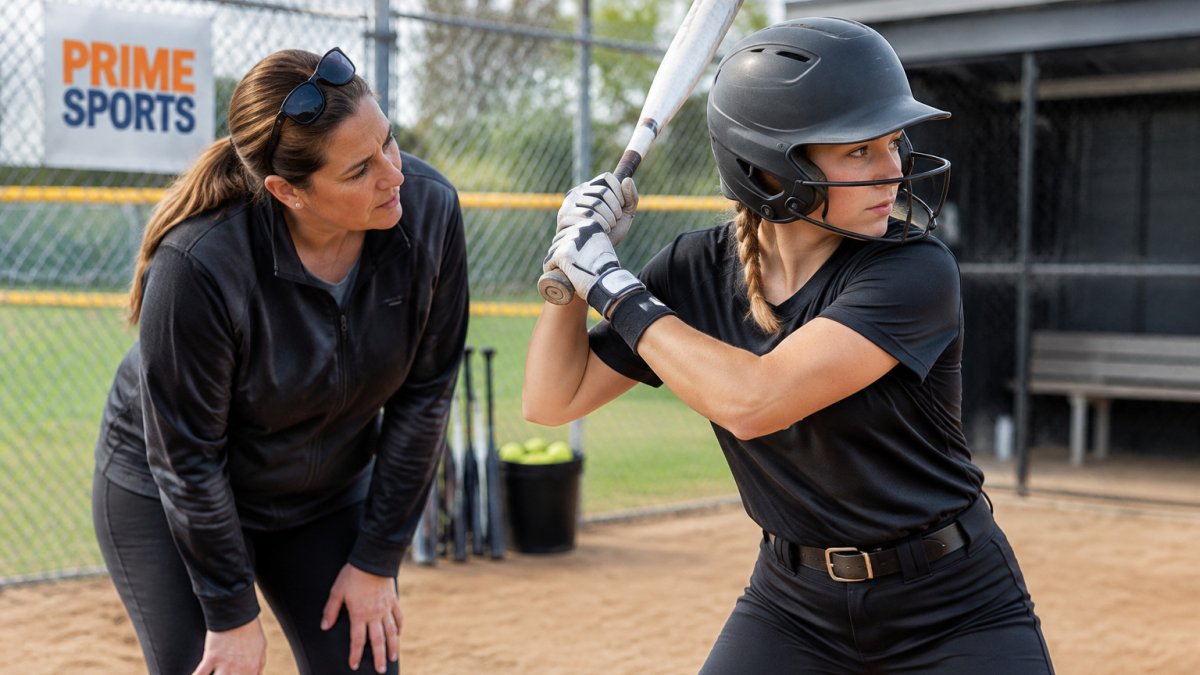
- Measure your height and note your weight. Use these as your starting point on the size chart.
- Pick two or three bats in your range. Start with the length you expect, then one size shorter and one size longer.
- Hold each bat by the handle at your sides. It should feel manageable, not heavy or awkward.
- Take a few dry swings in your stance. Keep your hands moving and watch whether the barrel drags or stays in control.
- Check how the bat feels at the top of your swing. You should be able to start the bat quickly without rushing or losing balance.
- Take live swings if possible. Use a tee or soft toss and note how the bat feels on contact.
- Pick the bat that lets you swing fast and stay balanced. If you have to fight the bat to get it around, go lighter or shorter.
Good fit is about control. A bat that moves freely and lets you stay compact through contact is almost always the right choice, even if it isn't the longest or heaviest option on the rack.
Check League Rules, Budget and Next Steps at Prime Sports in Fenton
Before you buy, confirm that your bat is legal for your league and tournaments. Rules differ between recreational leagues, travel organizations, and high school programs. Check certification stamps, length and drop limits, and barrel specifications with your coach or league director. A legal bat that fits well is the best combination.
Budget matters too, but the cheapest option isn't always the best value. A bat that is too heavy or too long will hurt your swing, and a bat that gets banned from play is a waste of money.
Ready to narrow your choices? Visit Prime Sports Midwest in Fenton or Chesterfield, or browse our softball bats online. Our team can help you compare length, weight, and drop for your player's size and skill level. Shop new arrivals today to find a bat that fits.
Frequently Asked Questions
How do I know what size fastpitch softball bat to get?
Start with the player's height, weight and strength, then check a bat size chart for a starting length. Most players are fitted by length in inches and weight in ounces. Use the chart as a range, not a rule: a player who swings slowly or struggles to control the bat should move toward a lighter, shorter option. A player who makes solid, controlled contact with a bat that feels too light may be ready for a slightly heavier model. Test the bat in a swing before buying when you can, and confirm that the bat is legal for your league.
What drop should a fastpitch softball bat be?
Drop weight is the difference between the bat's length in inches and its weight in ounces, so a 30-inch bat weighing 20 ounces is a -10 drop. Younger and newer players often use bats with larger drops, such as -10 or -11, because they are lighter and easier to swing. Stronger, more experienced hitters often choose -8 or -9 for more power. The drop matters most for swing speed and control, so pick the drop that lets the player swing through the zone without rushing.
Is the Louisville Slugger 2025 LXT -10 a good choice for a player new to fastpitch?
The Louisville Slugger 2025 LXT -10 is a balanced composite fastpitch softball bat with PBF Technology Speed Composite barrel and a forgiving feel on contact, priced at $369.95 at Prime Sports. Its -10 drop makes it a lighter, easier-to-control option for many players. Compare it with a size chart for the player's height and weight, and try a short swing test before you decide, since the best bat is the one the player can swing with control.
How can I check whether a fastpitch bat is legal for my league?
Check the bat's certification stamp and the rules published by your league, tournament or state association before you buy. Certification requirements differ between leagues, and some events use specific stamps. Ask your coach or league director to confirm the rules for your team, and keep the bat's packaging or receipt in case an equipment check comes up during a game or tournament.
