


Catcher's Mitts for Baseball: Sizing and Buying Guide
Last Updated: November 11, 2026
Quick Summary
Catcher mitts are built deeper and rounder than fielding gloves, with closed webbing that holds pitches. Choose a size from the player's age and hand measurement, then break in the pocket before first use.
- Catcher's mitts typically run from about 31 to 34 inches in circumference.
- Use a separate catcher's mitt rather than a fielding glove behind the plate.
- Test the fit by checking finger reach, wrist position and how the ball settles in the pocket.
- Break in the mitt over two to four weeks by shaping the pocket and conditioning the leather.
- Never soak the leather or dry it near a heater, radiator or dashboard.
Table of Contents
- Why Catcher Mitts Differ From Fielding Gloves
- Baseball Catcher's Mitt Sizing by Age and Hand Size
- Pocket, Web, and Leather Choices That Affect Performance
- Rawlings Catcher's Mitt Options at Prime Sports
- How to Break In a Catcher's Mitt Before Your First Game
- Choose Your Mitt at Prime Sports in Fenton
- Frequently Asked Questions
Catcher's mitts are the one piece of baseball gear where the wrong size or the wrong pocket can cost you a game, not just comfort. This guide from Prime Sports walks through how to choose catcher mitts baseball players will actually use, from youth sizing to break-in. Youth catchers have a lot of options, and they are easy to get wrong when a parent is shopping for a first mitt.
Why Catcher Mitts Differ From Fielding Gloves
A catcher's mitt is built for a different job than an infielder's or outfielder's glove. It has a larger, more rounded shape and a deeper pocket, and the webbing is typically closed. Those features help the catcher secure pitches that bounce or come in hard, and they make framing easier. Fielding gloves are built for quick transfers and scooping grounders. Catchers need something that holds the ball.
If your player plays both positions, buy a separate catcher's mitt. Using a fielding glove behind the plate tends to cause more dropped pitches than most parents expect.
Baseball Catcher's Mitt Sizing by Age and Hand Size
Catcher's mitts are measured by circumference, usually around the outside of the mitt, and typically run from about 31 to 34 inches. Younger players need the smaller end of that range, and adult catchers usually land near the top. Hand size matters too. A mitt that is too big makes it harder to control the ball, and one that is too small stresses the wrist and fingers.
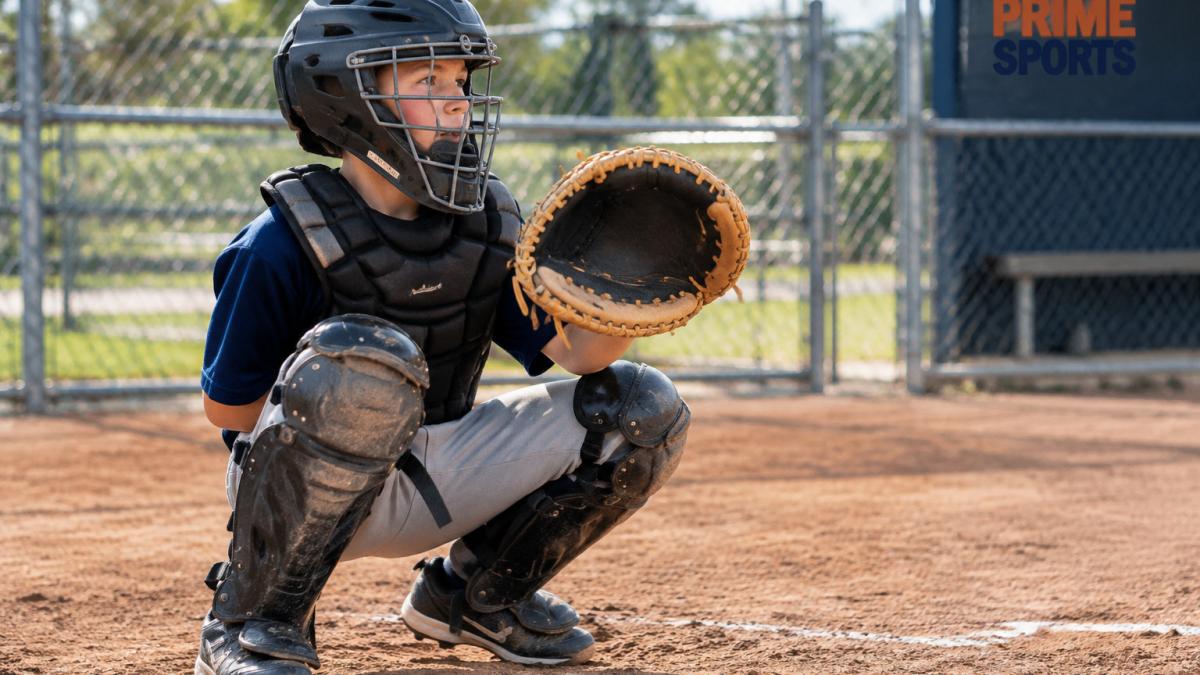
Measure the player's hand before shopping and compare it against the mitt's stated circumference and fit description. Ask yourself whether the player can close the glove fully without strain.
Youth Catcher's Mitt 9-12 Sizing Guidance
For players aged 9 to 12, many coaches look for a mitt in the lower part of the size range so the player can control it on framing reps. A youth sizing-by-position guide walks through which sizes fit each position and age group. The Rawlings Renegade 31.5-inch Baseball Catcher's Mitt is a practical option in that range, with a leather palm, a deep flexible pocket and Velcro straps for a custom fit. At $69.99 it is one of the more accessible choices for a first mitt. A player who grows into a bigger mitt can move up after a season or two.
Pocket, Web, and Leather Choices That Affect Performance
The pocket determines how the ball sits when it hits the mitt. A deeper pocket secures pitches better, while a shallower one allows quicker transfers. The web, which is the stitched area between the thumb and fingers, can be open or closed. Closed webs are more common on catcher's mitts because they keep the ball from slipping through.
Leather quality affects both durability and break-in time. Higher-grade leather costs more and needs more work before it feels right. The Wilson A2000 CM33 33" Baseball Catcher's Mitt, at $299.95, uses Pro Stock leather and a deep pocket with a closed web, and it is designed for players who will use it for several seasons. Its listing describes the Dri-Lex wrist lining as moisture wicking.
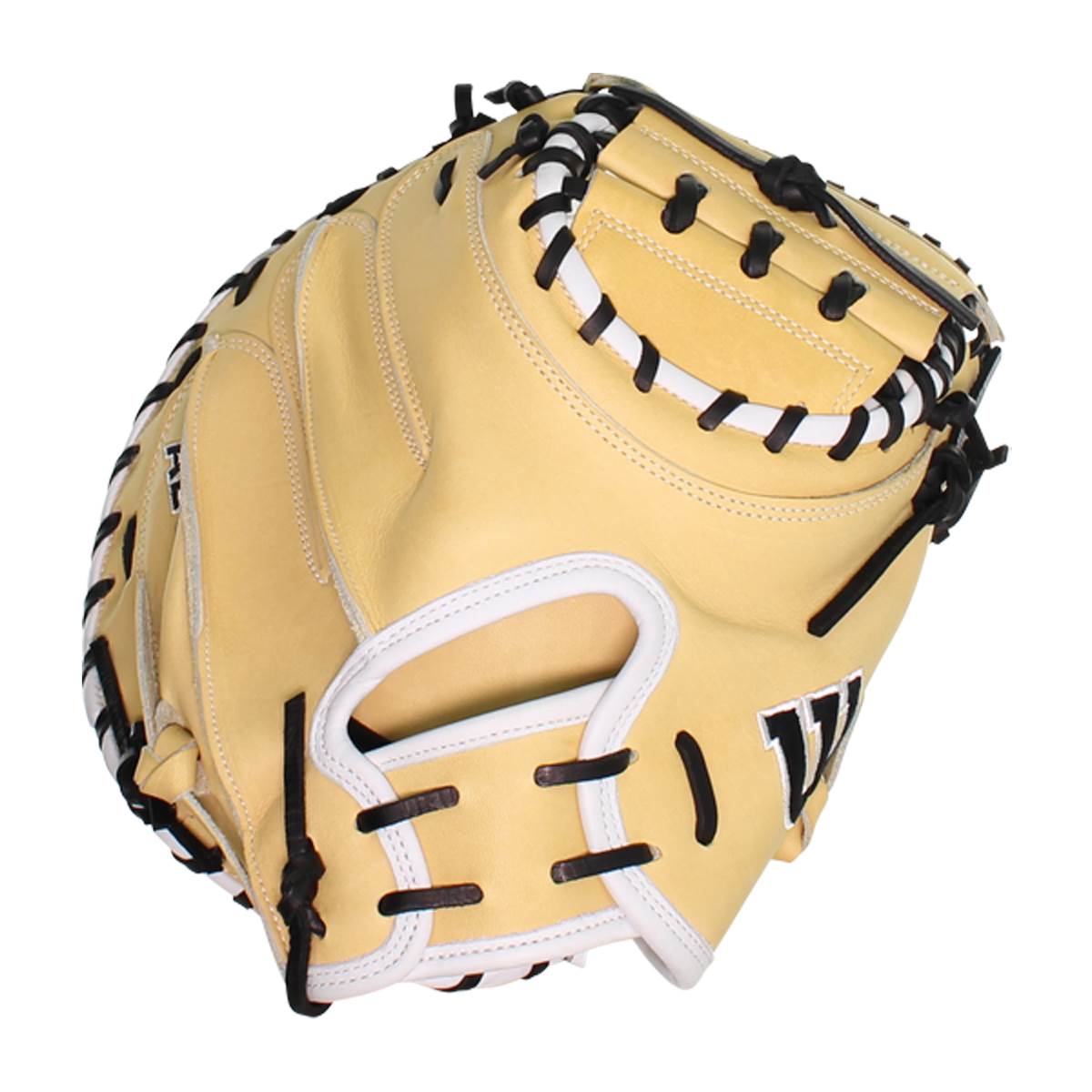
The main differences between catcher's mitt models come down to pocket depth, web style, and leather grade, as summarised below.
| Model | Price | Key feature |
|---|---|---|
| Wilson A2000 CM33 33" | $299.95 | Pro Stock leather, deep pocket, closed web |
| Rawlings Renegade 31.5" | $69.99 | Leather palm, deep flexible pocket, Velcro straps |
| All-Star S7 Elite 34" CM5000 | $299.95 | Cut-weight design, very stiff, extensive break-in |
Price
Rawlings Catcher's Mitt Options at Prime Sports
Prime Sports carries several catcher's mitts across different price points. The Rawlings Renegade is listed for slow pitch and recreational play. The Rawlings 2024 Custom Heart of the Hide 33.00" Baseball Catchers Mitt is priced at $319.99. The All-Star S7 Elite 34" Baseball Catcher's Mitt CM5000, at $299.95, has a cut-weight design that reduces the mitt's weight compared with conventional mitts.
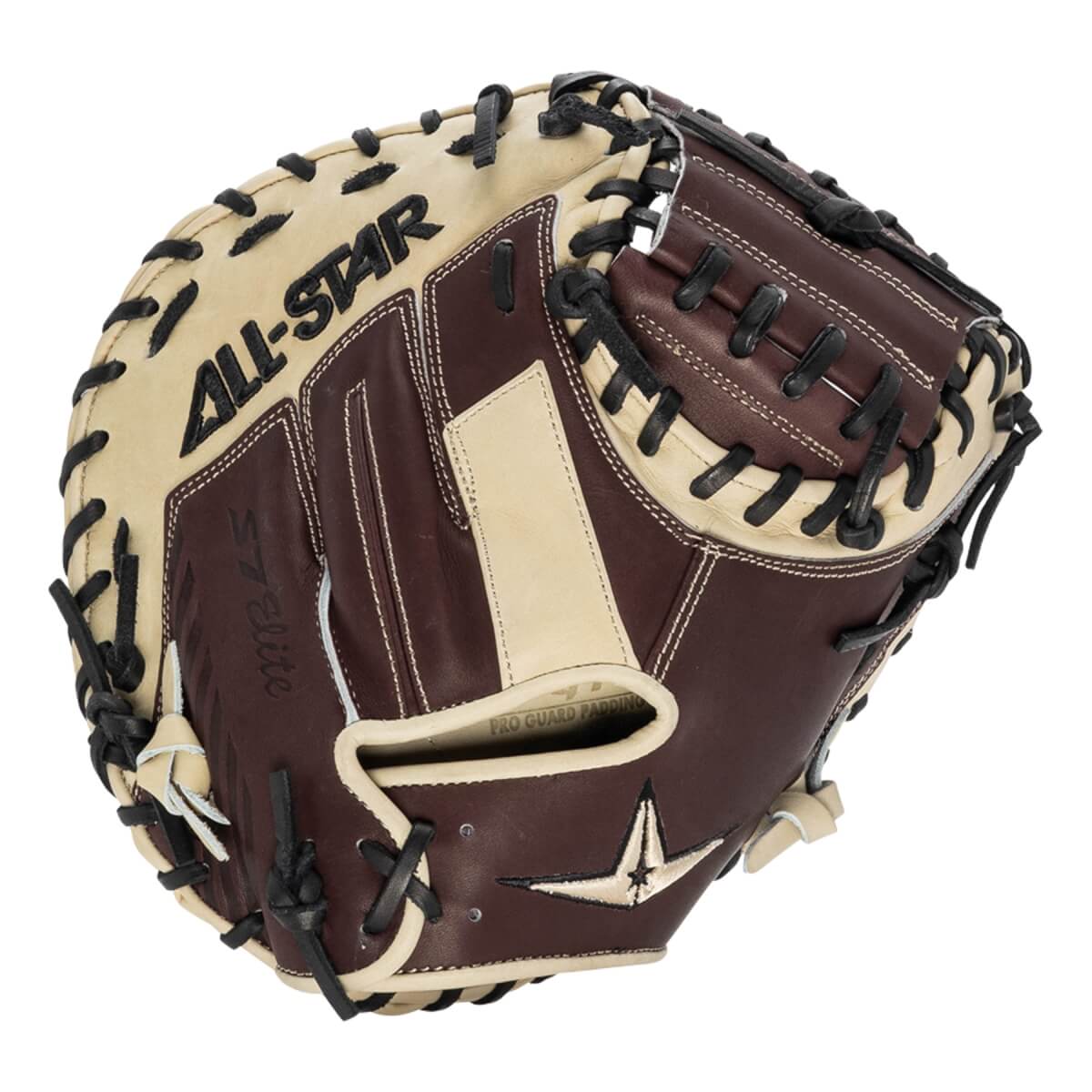
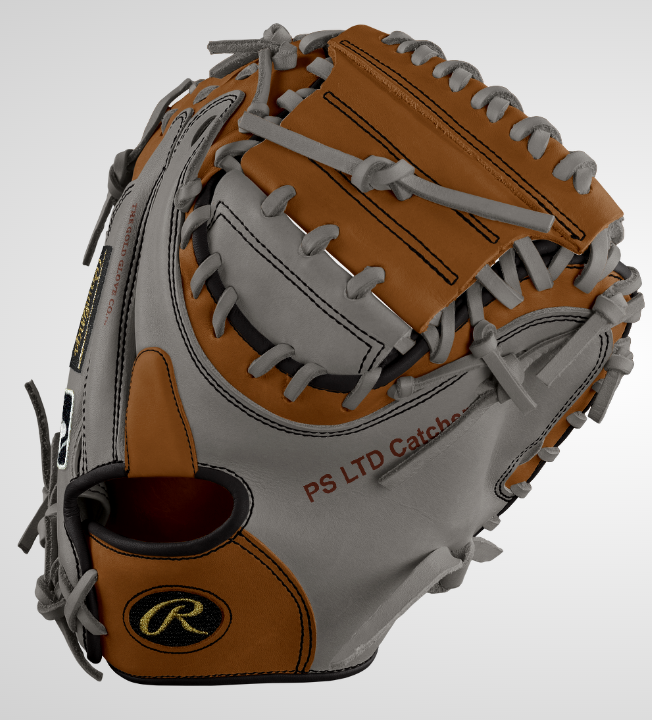
Each of these mitts fits a different player, so match the choice to age, skill level and budget rather than to the highest price. The All-Star S7 Elite is described as very stiff and requiring an extensive break-in.
How to Break In a Catcher's Mitt Before Your First Game
A new catcher's mitt is usually stiff, and the pocket will not hold a hard pitch until the leather has been worked. Break-in is the step most parents skip, and it is the reason a mitt that looked fine in the store can feel unusable on the first day of practice.
Start with the shape. Play catch with a softer ball or a ball that has been used for a while, and keep the throws close and controlled. The goal is to let the pocket begin to form without stressing the seams. Close the mitt around the ball after each catch and press the pocket with your free hand for a few seconds.
Next, condition the leather. Apply a small amount of glove oil or a conditioner made for leather, working it in with a clean cloth in thin coats. Too much oil softens the palm to the point that it loses structure, so use less than you think you need and let each coat soak in before adding another.
Then store the mitt in a way that sets its shape. Place a ball in the pocket, close the Velcro strap or lacing, and leave it overnight somewhere at room temperature. Repeat this every night for the first two weeks.
You will know the mitt is ready when the pocket holds a ball on its own when you turn the mitt palm-down, the webbing closes without the leather bunching, and the palm flexes at the heel without feeling tight.
Watch out: Do not soak the leather, and do not dry the mitt near a heater, a radiator, or a car dashboard in summer, because both can crack the leather and undo the conditioning you have done.
If your region has a hot, humid summer, store the mitt in a cool, dry place between sessions and wipe off sweat after practice. Humidity can make leather feel tacky and slow the break-in, so a dry storage spot matters.
Choose Your Mitt at Prime Sports in Fenton
Most catcher's mitt returns happen because the buyer chose by catalog size and never tested the fit on a hand.
Start with the hand. Have the player put on the mitt with the throwing hand and check that the fingers reach the finger stalls without the tips pressing the end. Close the mitt fully and see whether the wrist can stay neutral.
Next, test the pocket. Ask the player to catch a few easy throws or simulate a catch with a ball in hand, and check whether the ball settles in the center of the pocket rather than riding up toward the top.
Check closure and visibility next. Look at the Velcro strap or lacing and confirm the player can adjust it with one hand. Then have the player crouch into a catching stance and look over the top of the mitt. The web should not block the view of the target.
Finally, confirm comfort and weight. A mitt that feels heavy in the store will feel heavier after two innings. Ask the player to hold the mitt in a ready position for thirty seconds, and note whether the shoulder or forearm starts to tire.
For growing youth players, check the fit against the size the player will likely use next season, not only the one they wear now. Check whether the model comes in a range of sizes before buying.
Before you leave, confirm the youth league's equipment rules, since some divisions specify maximum mitt dimensions or require particular certification marks. Checking those rules first prevents buying a mitt the player cannot use in games.
Prime Sports has locations in Fenton and Chesterfield, Missouri, and you can also browse the catcher's mitt lineup online at www.primesportsmw.com. Measure the player's hand at home before you shop so you know which size range to start with.
Frequently Asked Questions
What size catcher's mitt should a youth baseball player use?
Youth catchers typically use mitts in the 31 to 33 inch range, depending on hand size and age. Players in the 9 to 12 age group often do well with a mitt around 32 to 33 inches, while younger or smaller players may need a shorter model. Try the mitt on before buying if possible, since a glove that fits the hand allows a secure grip and quicker transfers. The Rawlings Renegade 31.5-inch model is listed at $69.99 for slow pitch and recreational play.
How do you break in a new baseball catcher's mitt?
Start by working the pocket with your hand and stretching the palm, then play catch with a partner using a softer ball to form the pocket. Avoid soaking the leather or drying it near heat, since both can damage it. Stiffer mitts such as the All-Star S7 Elite 34-inch model at $299.95 usually need more break-in time than softer recreational mitts. Plan on several sessions before using the mitt in a live game.
How long does it take to break in a catcher's mitt?
Break-in time depends on the leather and construction. Recreational mitts with softer leather may feel playable after a few practice sessions, while premium rawhide or steerhide mitts can take considerably longer. Regular catch, bullpen work, and shaping the pocket by hand all speed up the process. Keep the mitt conditioned, and do not rush the break-in before important games.
What is the difference between a catcher's glove and a catcher's mitt?
Baseball players and coaches often use the terms interchangeably, but catcher's mitts are built with a deeper, more padded pocket and a larger circumference than standard fielding gloves. The extra depth helps catch and secure pitches thrown at speed. Catchers need this design for framing and blocking, while infielders and outfielders use smaller gloves built for quicker ball transfers.
